Locations in Chicago and Minnesota

888-503-6080
.svg)

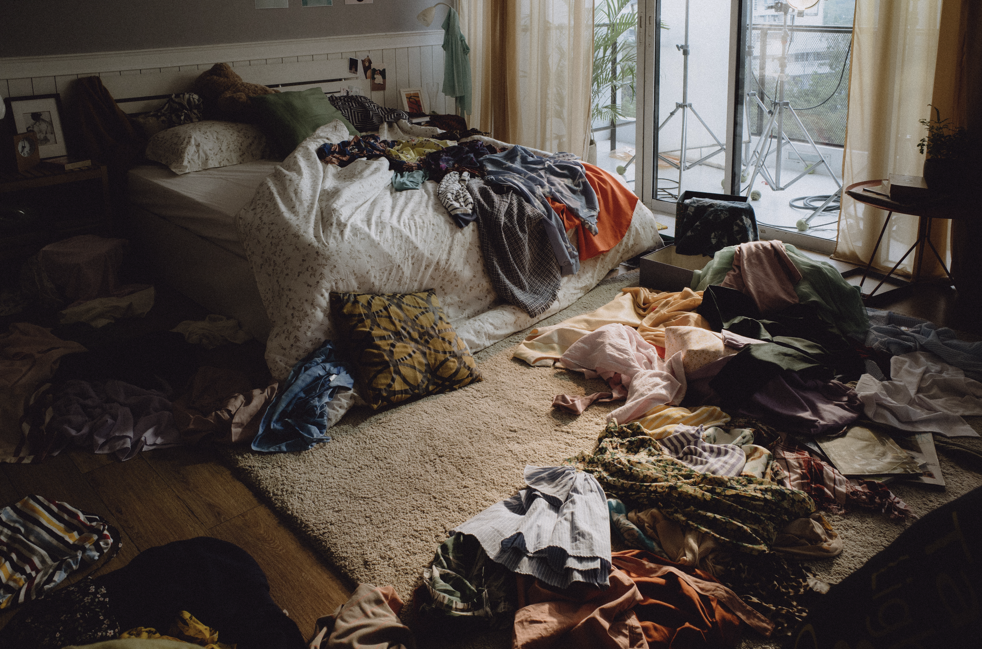
Clutter affects far more than how your home looks. The hidden costs of clutter show up in lost time, increased stress, and unexpected expenses that disrupt your daily life. Studies show that a cluttered home can elevate stress hormones, trigger feelings of overwhelm, and make routines less efficient. When you understand how disorganization impacts time and money, it becomes clear how thoughtful storage solutions can reduce stress and support a calmer, more organized home. Here’s what you need to know about how disorganization impacts your time, stress, and money.
The cost of clutter often becomes clear when you notice how much time you lose searching for items. A disorganized home slows down your routines and creates daily frustration. When your space is cluttered, you spend more time looking for misplaced items, whether they are important documents, a favorite sweater, or something needed for your home office.
These small delays add up. People significantly underestimate the time they spend searching for everyday items. A cluttered home interrupts your workflow and makes it harder to focus, leaving you with less time for the things that truly matter. An organized home helps you save time by keeping everything in its place, reducing the effort spent searching, and simplifying your daily routines.
The emotional cost of clutter is often overlooked. Research suggests that cluttered environments can increase stress hormone levels and contribute to feelings of overwhelm. When congestion builds in your living spaces, your brain reads it as unfinished work. Over time, this creates mental fatigue and reduces your ability to relax.
A disorganized home also affects mental health by making it harder to concentrate. Visual clutter competes for attention, which can lead to frustration or irritability. Many homeowners report increased anxiety when surrounded by clutter because the environment constantly demands attention. Creating a clutter-free home supports reduced stress, better focus, and a calmer mindset.
The financial cost of clutter is often one of the most surprising. When belongings are misplaced or buried, it becomes easy to buy duplicates without realizing you already own the item. For many homeowners, clutter leads to extra spending simply because it is difficult to keep track of what is in the home.
Here are some of the most common financial consequences of a cluttered home:
These hidden costs of clutter accumulate quietly, and often significantly, over time.
The cost of clutter extends into nearly every part of daily life. A cluttered home makes chores take longer, slows your morning routine, and makes it difficult to keep track of what each family member needs. When your home contains more items than it can comfortably hold, even simple tasks feel harder.
Disorganization also affects how you feel in your own space. A cluttered home can limit relaxation, make guests harder to welcome guests, and diminish the sense of comfort you want at the end of the day.
Professional organizers often describe clutter as a form of delayed decision-making. When you walk past piles or open a closet that feels chaotic, it creates a mental burden that adds to everyday stress. Clutter builds not because people fail to care for their homes, but because their storage systems do not support the way they live. Without intuitive zones or clear placement, belongings naturally drift into whatever space is available, creating a cycle that feels difficult to break.
Organizers also recognize that clutter carries emotional weight. A cluttered home can represent unfinished projects, unmade decisions, or items tied to memories. Each time you see these piles or crowded closets, your mind registers them as tasks waiting to be completed, which contributes to feeling overwhelmed. Professional organizers understand that reducing clutter is not just about tidying up. It is about creating a structure that allows you to feel calm, supported, and in control of your environment. When storage reflects your habits and routines, maintaining a clutter-free home becomes far more achievable.
Thoughtful organization can dramatically reduce the impact of clutter on your time, mood, and finances. When your home features storage solutions tailored to your routine, it becomes easier to maintain clarity and structure.
Some of the most effective storage upgrades include:
These solutions bring balance to your home and reduce the everyday challenges that a disorganized home creates.
When your home is organized, you regain time lost to searching for misplaced items, avoid buying duplicates, and eliminate the need for extra storage units. Your routines become smoother, and your space begins to support your daily life rather than complicating it.
A clutter-free home also makes your environment more enjoyable, helping you feel in control instead of overwhelmed. The cost of clutter fades, replaced by reduced stress and greater confidence in your living space.
The cost of clutter shows up in wasted time, increased stress, and unnecessary spending. When your home is designed with storage that supports your lifestyle, the benefits reach far beyond tidy shelves. You gain clarity, peace, and manageable routines. Thoughtful storage solutions reduce the hidden costs of a disorganized home and create a foundation for a calmer, more efficient life.
If these ideas sparked your imagination, let’s make them real. Book your free design consultation with Perfection Custom Closets today and discover how thoughtful design can turn any storage area into a beautifully organized part of your home.