Locations in Chicago and Minnesota

888-503-6080
.svg)

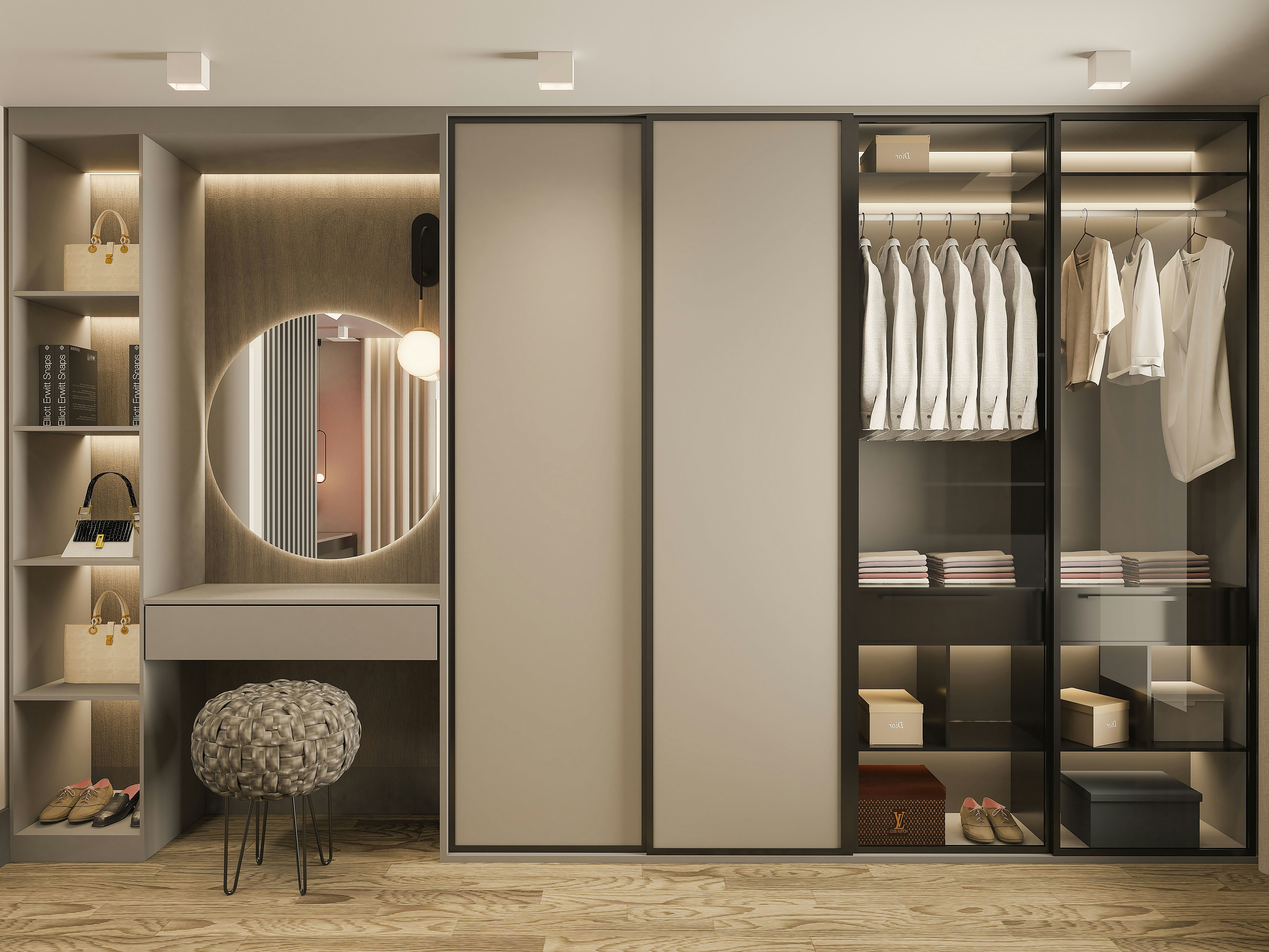
Shopping for a custom closet company can feel harder than it should be. Every site promises beautiful results and a smooth process, so how do you tell which company can actually deliver the design expertise, materials, and installation quality your project needs? Ten questions will help you find the right closet design specialist for your home.
Scroll through a handful of closet company sites, and you'll notice the pattern fast. You'll usually see glossy photos of white shelving, a line about "transforming your space," and a free consultation button. Somewhere along the way, the industry settled on the same visual playbook, making real differences hard to spot from a homepage alone.
The differences that actually matter, such as who builds the product, who installs it, and what happens if something goes wrong, show up in how a company answers direct questions. A search for a closet designer near you may turn up plenty of options, but the right one will hold up under a little scrutiny.
Bring this list to your first conversation, whether it happens over the phone, at a showroom, or during an in-home visit. A company willing to walk you through its design process without hesitation is one you can trust with your project.
Some companies design and build in-house. Others source components from a third-party manufacturer and handle the design, sale, and installation locally. Neither approach is automatically better, but it helps to know which one you're working with.
A specialist should explain the tradeoffs, not just list finish options. Engineered wood, solid wood, veneers, and laminate or melamine finishes vary in appearance, cost, moisture resistance, and durability. Ask about panel thickness, edge treatment, and hardware too, since those details affect how well a system holds up over time.
Employees can give a company more direct control over training, but experienced subcontractors can deliver equally consistent work. Either way, the company you hire should remain responsible for fixing problems. Ask who supervises the crew and how the quality of the installation is checked.
Ask for a range, not a single optimistic number. A trustworthy specialist will walk you through each phase, including design, ordering, manufacturing, and installation. They should also explain what might cause the timeline to shift.
Get specifics on what's covered for hardware, finishes, and labor, and for how long. A vague answer here is worth taking seriously, since warranty terms are often the first thing a company glosses over when it isn't confident in its own product.
Ask to see a portfolio of comparable projects, recent customer reviews like the ones featured in its testimonials, or references the company has permission to share. If possible, ask for examples similar to your own project, whether that's a small reach-in closet or a full garage overhaul, so you can judge the fit rather than just the polish.
You want a back-and-forth process, not a single take-it-or-leave-it proposal. Ask how many rounds of revisions are included and whether the designer visits your home or works from measurements you provide, since each approach leads to a different experience.
Design revisions are common before final approval, especially once you see a 3D rendering. Changes requested after approval or once production has begun may require a formal change order, additional cost, or a revised timeline, so ask up front how that's handled.
Get the terms in writing, including the APR, repayment period, total payment amount, promotional terms, and any late fees or prepayment penalties.
A local team may be familiar with older construction, condo association rules, building access, and any permit requirements that apply to electrical or structural work.
None of these questions is meant to put a designer on the spot. A specialist confident in their process and proud of the team behind it will welcome the conversation rather than dodge it.
A few answers should give you pause: vague responses about materials or installation crews, pressure to sign before you've had time to think, or reluctance to put warranty terms in writing. So is a designer who cannot explain the design process in plain language. A custom closet will be part of your home for years. If the process feels rushed or unclear, it is worth taking a step back.
A dramatically lower quote deserves a closer comparison. It may reflect different materials, fewer accessories, the exclusion of installation work, shorter warranty coverage, or simply a different business model.
"Free design consultation" gets used loosely across the industry, so it helps to know what a solid one looks like. A useful consultation will generally include a discussion of your space, storage needs, budget, and materials, as well as a clear sense of next steps. Depending on the company, measurements or a preliminary design may come during the visit or follow afterward.
What it shouldn't include is pressure to sign on the spot. A consultation is a chance to get real information, not a closing pitch. If you leave the conversation with more clarity about materials, timeline, and cost, it has done its job. That said, a legitimate promotion may have an expiration date, but be cautious of high-pressure discounts that require an immediate signature or don't allow time to review the proposal.
Once you've gathered a few quotes, line up the specifics rather than the bottom-line number alone. Does one include installation while the other doesn't? Are the warranty terms actually comparable? Is the timeline realistic, or optimistic in a way that might not hold up once the project starts? How each company answered your questions matters too. One that gave clear, specific answers about materials, process, and warranty is generally a safer bet than one that leaned on broad reassurances.
Choosing a closet design specialist comes down to trust built on specifics, not a polished website or a friendly sales call. Ask the ten questions above and see how directly they get answered. If you're comparing options in the Chicago area, it's worth looking at what custom closet design in Chicago typically involves, since local familiarity with older construction and condo access requirements can make a real difference during measurement and installation.
If these ideas sparked your imagination, let's make them real. Book your free design consultation with Perfection Custom Closets today and discover how thoughtful design can turn any storage area into a beautifully organized part of your home.