Locations in Chicago and Minnesota

888-503-6080
.svg)

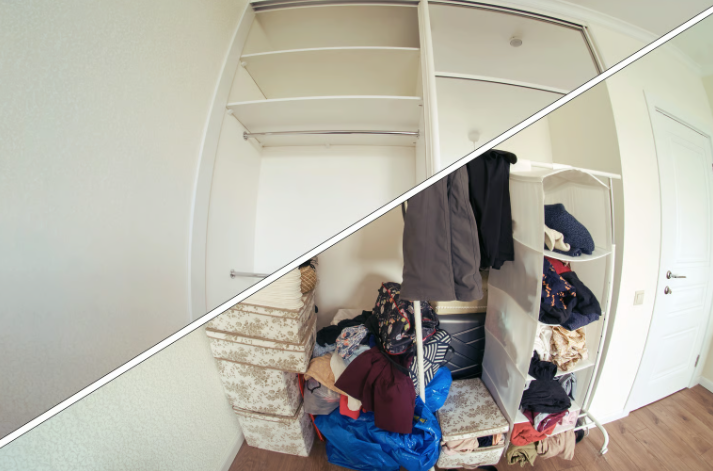
The psychology of clutter shows that the items we keep often reflect emotions, memories, and habits rather than true usefulness. When clutter builds up, rooms start to feel overwhelming, and research shows that cluttered spaces can increase stress and anxiety. Understanding the psychology behind clutter and learning why we hold on to certain belongings helps you move toward a clutter-free home, especially when custom storage is designed to support the way you live for the long term.
People hold on to items for many reasons, both emotional and practical. Emotional attachment is one of the most common. A piece of clothing may represent a memory, or an object might remind you of a person or a stage of life. Letting go may feel like letting go of the moment itself.
Understanding the psychology behind these feelings can make it easier to let go of things that no longer serve you. Some people save objects because they fear needing them later, while others feel guilty about letting go of items that were gifts. Cognitive overload also plays a role. When clutter begins to build, decision-making becomes harder, and the space feels overwhelming. These patterns explain clutter and why we hold on to items even when they no longer support our current lifestyle.
Studies show that cluttered homes can increase stress levels and reduce a sense of control. When the brain sees piles, scattered belongings, or overcrowded shelves, it interprets them as unfinished tasks. This creates mental pressure that adds to daily frustration.
The impact of clutter reaches beyond appearance. It affects how a space feels. Rooms may seem smaller or darker. A once-comfortable bedroom or closet might feel overwhelming and difficult to manage. Many people experience stress and anxiety in cluttered environments without realizing the cause.
For these reasons, reducing clutter is not only about cleaning. It supports mental clarity and creates conditions for reduced stress in your home.
Once you understand why clutter forms, it becomes easier to move forward. A professional organizer will often recommend starting small to make the process feel manageable. Tackling a single shelf, drawer, or category allows you to build momentum without feeling overwhelmed by the entire project.
You may notice that certain items trigger strong emotions. Recognizing these patterns helps you make thoughtful choices. You can keep what reflects your personal life and release what no longer serves your needs.
Custom storage solutions play a key role in maintaining a clutter-free home. Most clutter problems develop because items do not have a designated place. When storage is limited or poorly designed, belongings begin to pile up, creating stress.
A custom closet provides structure that matches your daily habits. If shoes and accessories often scatter across the floor, dedicated shelves or cubbies help contain them. If seasonal items dominate your space, high shelves or deep drawers keep them organized until needed. When everything has a home, it becomes easier to stay organized and avoid holding on to items that no longer support you.
Custom layouts also improve visual order. Enclosed drawers hide small items, while balanced hanging space creates a clear, tidy look. This reduces visual stress and helps the closet feel more open and inviting.
These simple, research-backed strategies help you build habits that support long-term organization:
These habits help you maintain a clutter-free environment and create a home that feels intentional and easy to manage.
Clutter is not just a collection of belongings. It reflects your memories, emotions, and habits, shaping how you live. When you understand these patterns and choose storage that supports your routines, your home becomes calmer and more functional. Custom storage helps you keep what matters, let go of what no longer does, and enjoy a space designed to reduce stress and support daily life.
If these ideas sparked your imagination, let’s make them real. Book your free design consultation with Perfection Custom Closets today and discover how thoughtful design can turn any closet into a beautifully organized part of your home.