Locations in Chicago and Minnesota

888-503-6080
.svg)

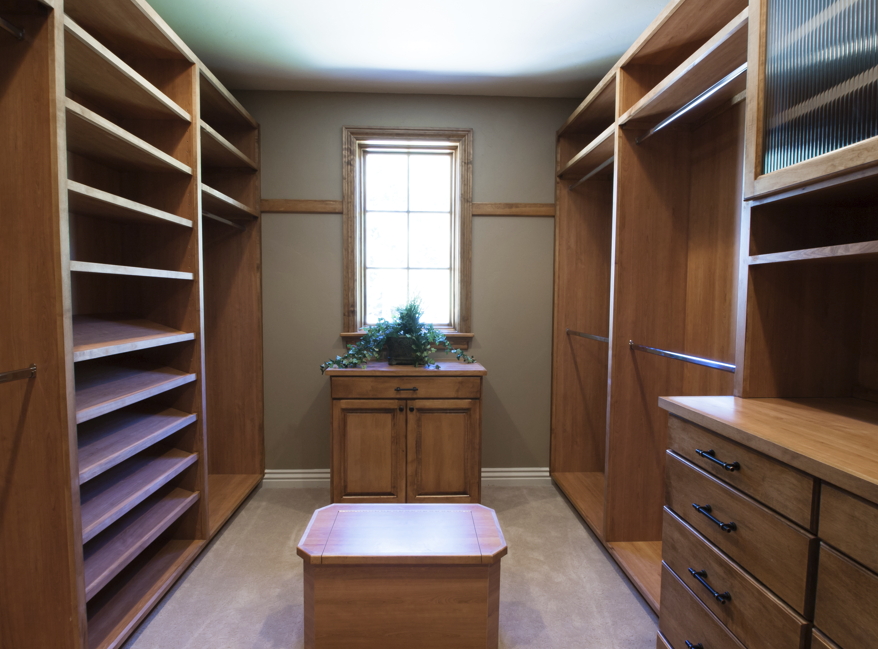
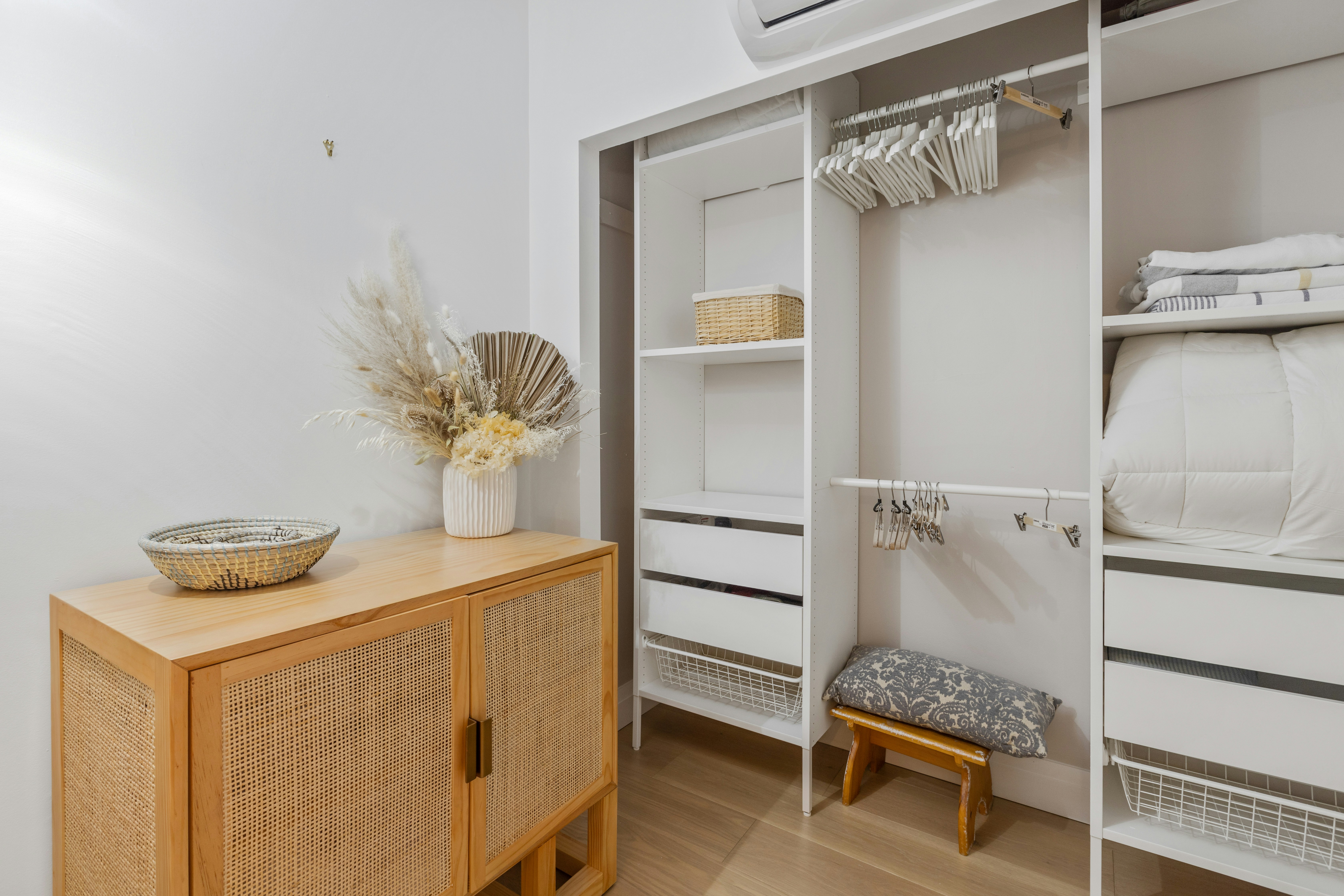
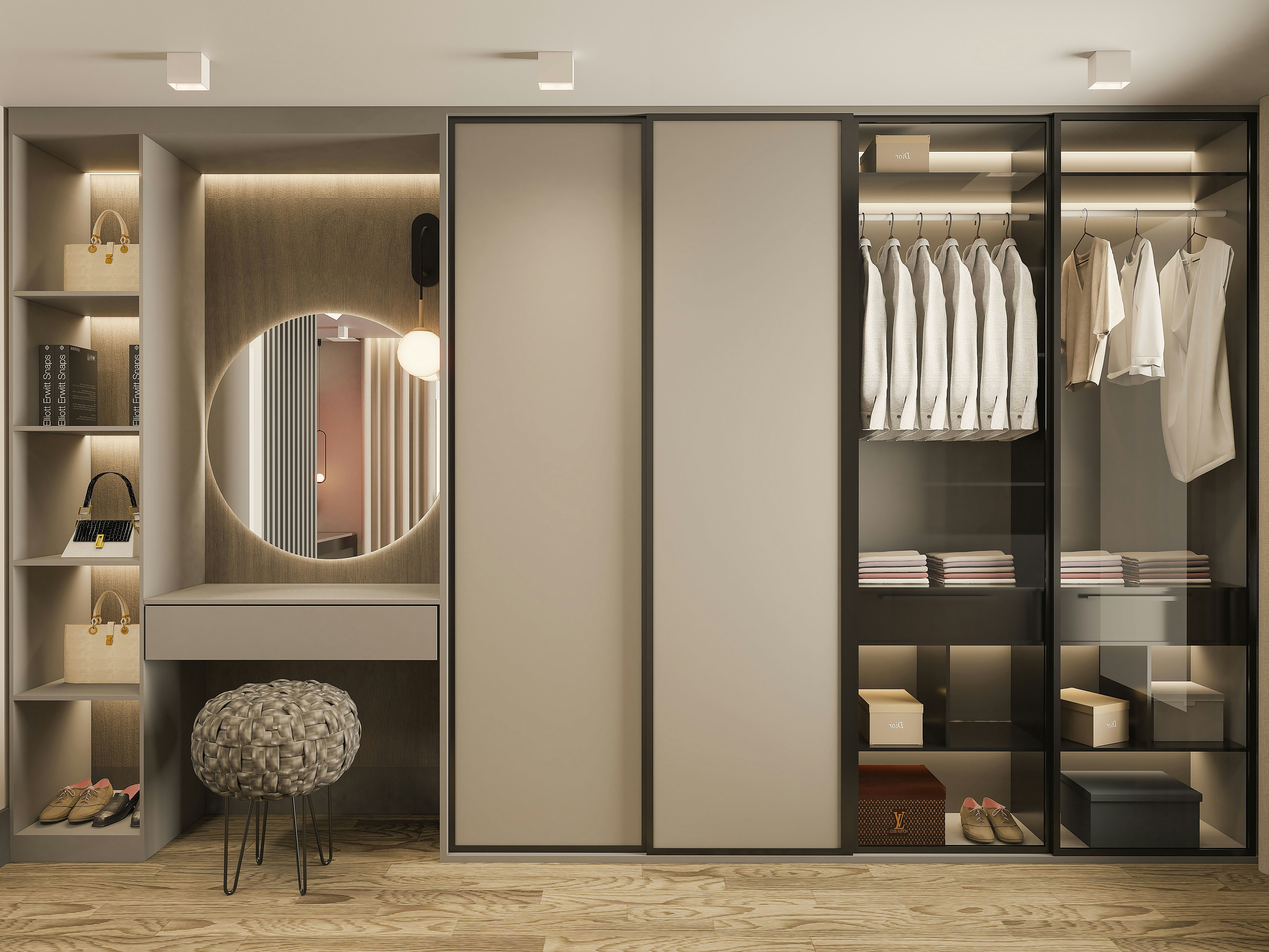
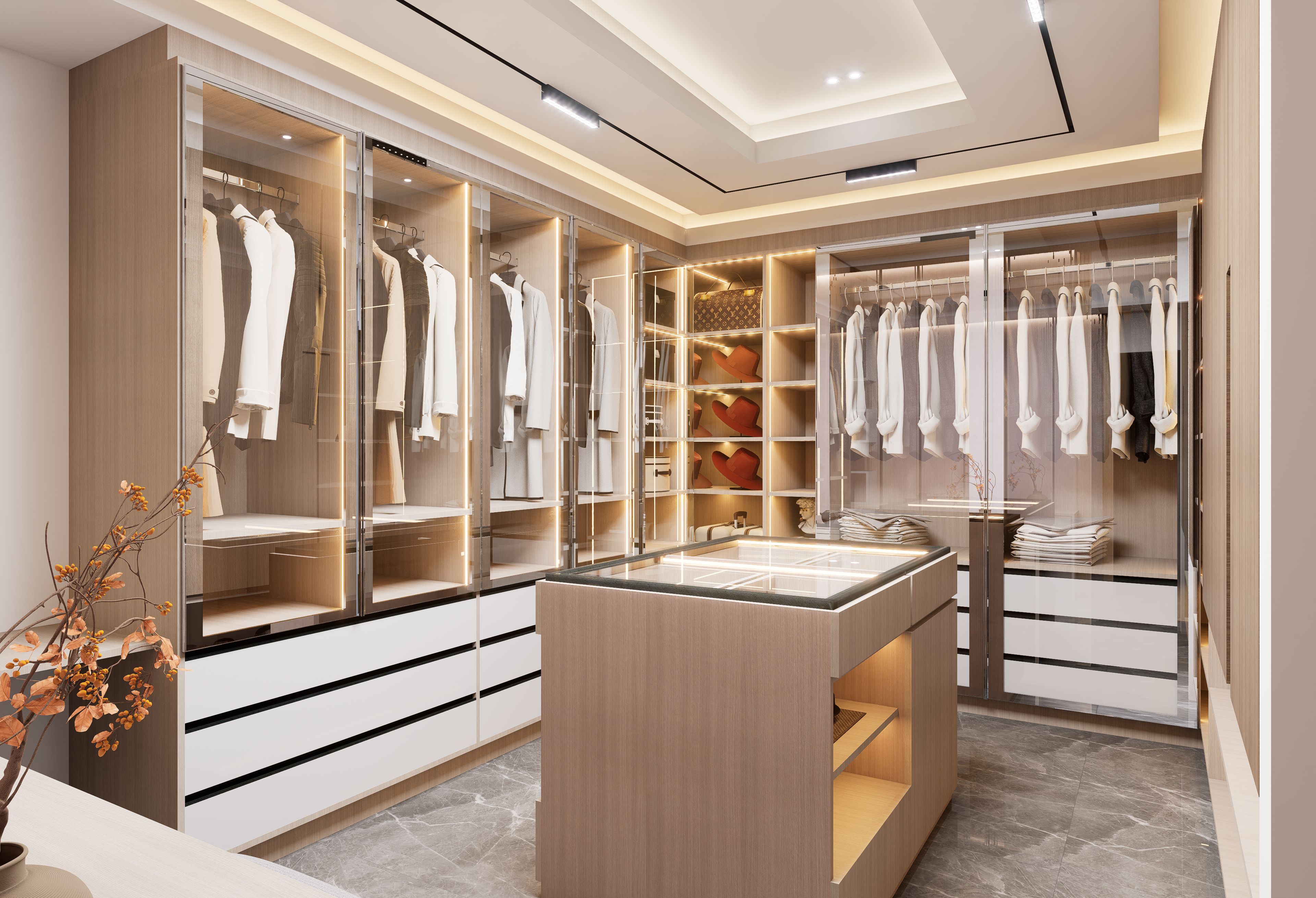
A well-designed closet supports your daily routine while giving every item a place. Whether you have a spacious walk-in closet or compact reach-in closets, the best layout reflects your personal habits, long-term needs, and how your household uses shared spaces. With thoughtful design, you can create a closet that fits your lifestyle rather than forcing your routine to fit a layout that never worked in the first place. Here’s what you need to know about choosing the right closet layout for your lifestyle.
Closet design begins with your routine. Before choosing open shelving or hanging rods, think about how you move through the space. Do you get dressed quickly in the morning? Do you fold most of your clothing, or do you prefer hanging space? Do you reach for the same few items every day, or do you rotate your wardrobe throughout the week?
Understanding these habits helps determine the storage solutions you need. Someone who uses a mix of folded and hanging items may require balanced zones. Someone who prefers a streamlined look may benefit from more enclosed sections. The right design makes your daily routine easier and ensures the closet continues to serve you for the long term.
Singles often need flexibility in their closet layout. Wardrobes evolve quickly, and storage needs shift from year to year. A walk-in closet can be divided into zones for work clothing, casual wear, and shoes and accessories. Adjustable shelves help the layout adapt as your clothing collection grows or changes.
Reach-in closets benefit from double-hanging sections and open shelving arranged to make the space feel larger. The goal is to create a closet that fits your current lifestyle but can adjust as your personal style develops.
Families rely on closets that can absorb movement, growth, and shared use. Instead of fixed storage, the most effective approach includes thoughtful design elements that adapt over time. Children need low shelves and easy-access areas, while adults often require deeper shelving and a balanced mix of long hanging and double hanging.
High shelves store seasonal items until they are needed again. Clearly defined zones prevent belongings from blending together. When a family closet is designed with everyone in mind, the space feels organized rather than overwhelming.
Empty nesters often want a simplified layout that supports clarity and ease of use. Clothing collections may be smaller, but organization still matters. A reach-in or walk-in closet designed with strong lighting, well-placed shelves, and open and closed storage helps maintain a tidy appearance.
Pull-out drawers reduce strain, and adjustable shelving supports changes over time. This stage of life also offers the opportunity to design a closet that reflects your personal preferences rather than the demands of a busy household.
Sharing a closet requires coordination and a layout that respects different routines. Partners rarely store items the same way. One person may need more hanging space, while the other relies on drawers or shelves. A closet that fits both users often includes defined sides or zones with a shared central area for bulkier storage. A successful shared layout acknowledges each person’s habits. This prevents clutter, reduces frustration, and keeps the closet feeling calm and balanced.
Some features benefit almost every lifestyle and serve as the foundation of a custom closet:
These core elements make the closet practical for everyday use. They also help the space stay attractive over time. Together, they create a layout that is easy to maintain.
Even strong layouts can fall short when a few important details are overlooked. These common mistakes lead to clutter, wasted space, or frustration during daily routines:
Avoiding these mistakes ensures your closet works with your lifestyle instead of creating unnecessary stress.
The best closet layouts are shaped around the people who use them. They simplify your daily routine, reflect your personal habits, and give every item a place that makes the space feel organized and comfortable. Whether you live alone, share a home with a busy family, or are entering a new season of life, thoughtful design helps you create a closet that fits your needs now and in the years to come.
If these ideas sparked your imagination, let’s make them real. Book your free design consultation with Perfection Custom Closets today and discover how thoughtful design can turn any closet into a beautifully organized part of your home.